





Come scegliere e utilizzare una crema collo e decollete
Scopri come contrastare il rilassamento cutaneo con la giusta crema collo e decollete. Iodase Revital-Up è la crema decollete ad effetto tonificante.

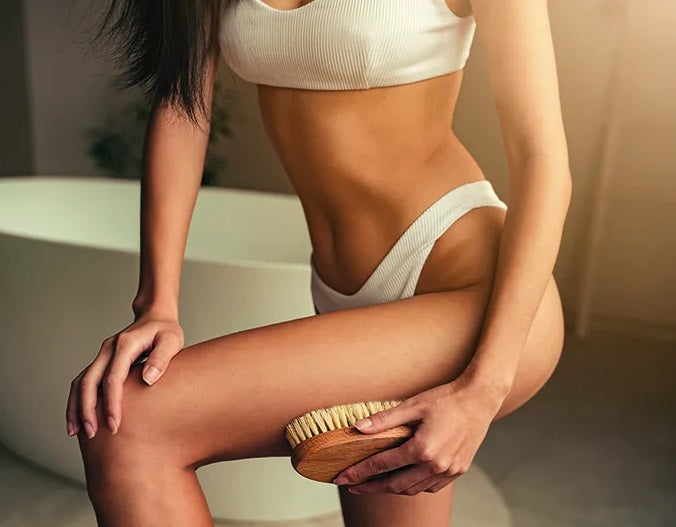
Have you heard of dry brushing but aren't sure how it works or if it's really right for you? This simple and natural treatment has been making a comeback in recent years thanks to its benefits for skin and circulation. But as often happens, with popularity comes a lot of doubt.
In this article, we answer the 5 most common questions about dry brushing , to help you understand if and how to integrate it into your daily beauty routine.
Dry brushing is a technique that involves brushing dry skin with a natural-bristle brush, using vigorous but gentle strokes, generally in the direction of the heart.
The main benefits attributed to dry brushing are:
It is not a miracle treatment, but it can be an excellent ally for daily body care , especially if combined with a healthy lifestyle and specific cosmetic products.
Dry brushing can be done on almost any part of the body, but there are some areas that respond particularly well to the treatment:
However, avoid sensitive areas such as the face, décolleté, or irritated or damaged areas. There are specific, softer brushes for the face that should be used with extreme gentleness.
The best time for dry brushing is in the morning, before showering.
This is because:
However, if you prefer it in the evening, it can be useful for relaxing the muscles and lightening the legs , especially after a day on your feet.
Dry brushing is generally well tolerated, but there are some precautions to keep in mind:
In any case, choose a brush with soft natural bristles and don't apply too much pressure: dry brushing should never be painful or leave the skin red.
To achieve visible results with dry brushing, the quality of the brush is essential . A good brush should have natural bristles, medium hardness, and an ergonomic shape that allows you to easily reach every area of the body.

It's made with high-quality natural bristles, ideal for even yet gentle brushing . The wooden handle and compact design allow for a firm grip and comfortable, intuitive daily use.
It is perfect for preparing the skin for cosmetic treatments and enhancing the effectiveness of reshaping products.
Combine it with specific Iodase treatments to enhance results and make your body routine even more effective!

